1
 →
→
Emulate Arduino, ESP32 & Raspberry Pi. in your browser. Write code, compile, and run on 19 real boards — Arduino Uno, ESP32, ESP32-C3, Raspberry Pi Pico, Raspberry Pi 3, and more.
davidmonterocrespo24/velxio is an open-source project on GitHub, mainly written in TypeScript. Emulate Arduino, ESP32 & Raspberry Pi. in your browser. Write code, compile, and run on 19 real boards — Arduino Uno, ESP32, ESP32-C3, Raspberry Pi Pico It currently holds 3,115 stars and 319 forks with 12 open issues, and was last pushed on 2026-10-08 (repository created 2026-03-03).
Git Homed tracks it on the Today's Trending board, currently at rank #73 with 43 new stars today.
Live at velxio.dev
An open-source multi-board emulator and circuit simulator. Write Arduino C++, MicroPython, ESP-IDF or Python, compile it, and run it against real CPU emulation with 150+ interactive electronic components — all in your browser.
40 boards · 5 CPU families: AVR8 (ATmega / ATtiny), ARM Cortex-M (RP2040 / RP2350 / STM32), Xtensa LX6/LX7 (ESP32 / ESP32-S3), RISC-V (ESP32-C3 / ESP32-C6) and ARM Cortex-A Linux (Raspberry Pi Zero to 5).







---

---
Velxio is free and open-source. Building and maintaining a full multi-board emulator takes a lot of time — if it saves you time or you enjoy the project, sponsoring me directly helps keep development going.
| Platform | Link | | --- | --- | | GitHub Sponsors (preferred) | github.com/sponsors/davidmonterocrespo24 | | PayPal | paypal.me/odoonext |
Your support helps cover server costs, library maintenance, and frees up time to add new boards, components, and features. Thank you!
---
These companies have supported Velxio and provided their hardware so their components can be emulated accurately:



The DFRobot and M5Stack links above are affiliate links: a purchase made through them earns Velxio a small commission at no extra cost to you, and it helps pay for the hosted instance. The simulator itself is AGPL and free either way.
Their hardware is in the catalog today: the M5Stack Cardputer and Core, the Pimoroni Badger 2350 and Galactic Unicorn, the Seeed Studio XIAO family and Grove modules, the DFRobot UNIHIKER and Gravity sensors, and the whole Espressif ESP32 line up to the ESP32-C6. Of these, the M5Stack, Pimoroni and DFRobot boards, the Seeed XIAO Sense, C6 and RP2040, and the ESP32-C6 DevKit are only available online at velxio.dev; the self-hosted image ships the Arduino, Raspberry Pi Pico and ESP32 families (see Supported Boards).
---
https://velxio.dev — no installation needed. Open the editor, write your sketch, and simulate directly in the browser.
To self-host with Docker (single command):
docker run -d \
  --name velxio \
  -p 3080:80 \
  -v velxio-data:/app/data \
  -v velxio-arduino-libs:/root/.arduino15 \
  -v velxio-arduino-user-libs:/root/Arduino \
  -v velxio-ccache:/var/cache/ccache \
  -v velxio-build:/var/lib/velxio-build \
  ghcr.io/davidmonterocrespo24/velxio:master
Then open . Tail logs any time with
docker logs -f velxio.
The self-hosted image runs the Arduino, Raspberry Pi Pico and ESP32
families. STM32, Raspberry Pi Linux, the ESP32-C6 and the partner boards
are only available online at velxio.dev.
The named volumes are what make compile times reasonable on subsequent runs — without them, every container restart wipes the ESP-IDF build cache and the first compile after each restart takes 5-7 minutes instead of 5-30 seconds.
---
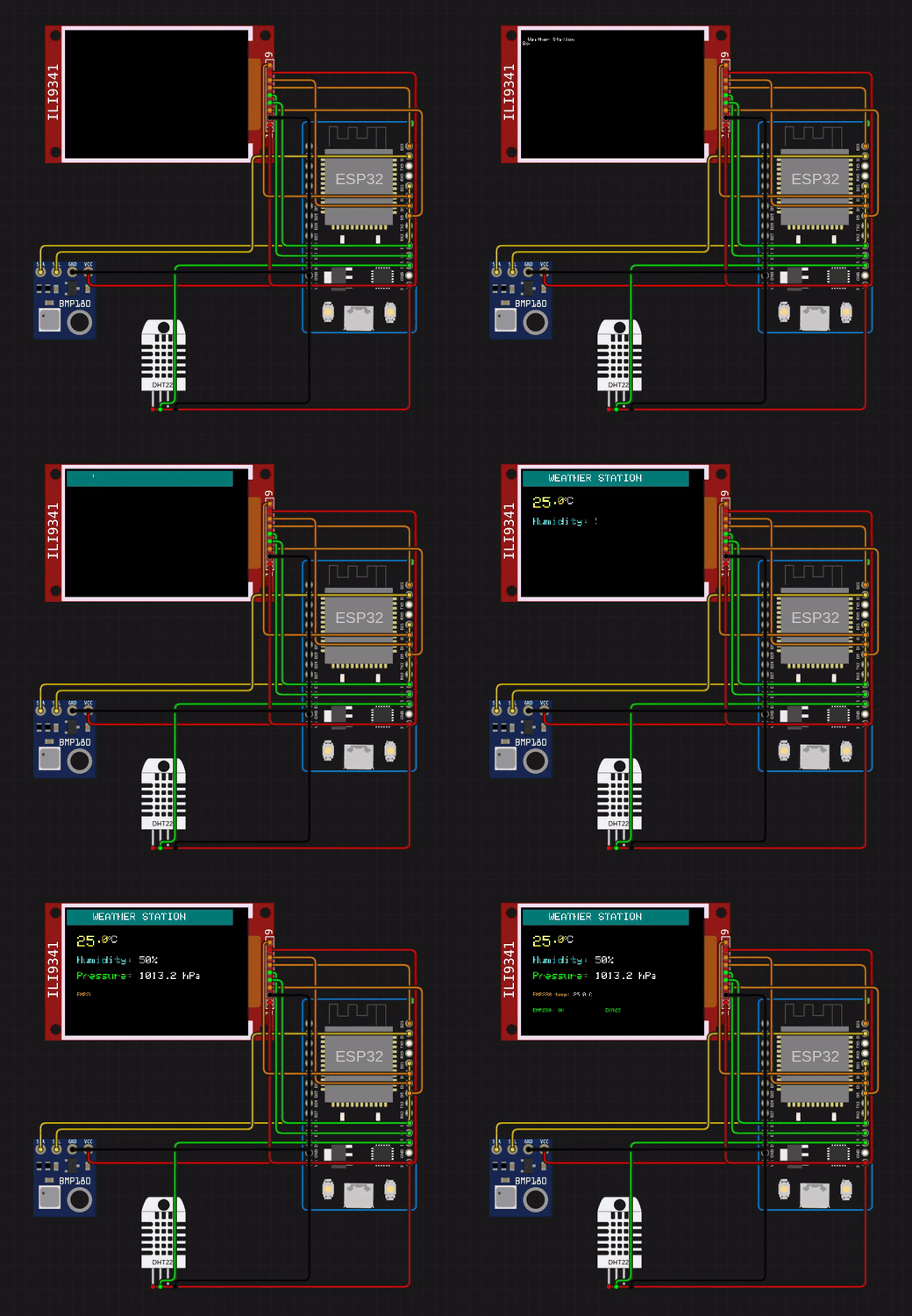
ESP32 weather station — a BMP280 over I2C, a DHT22 on a GPIO and an ILI9341 TFT over SPI wired on the canvas, three buses working at once while the display updates live.
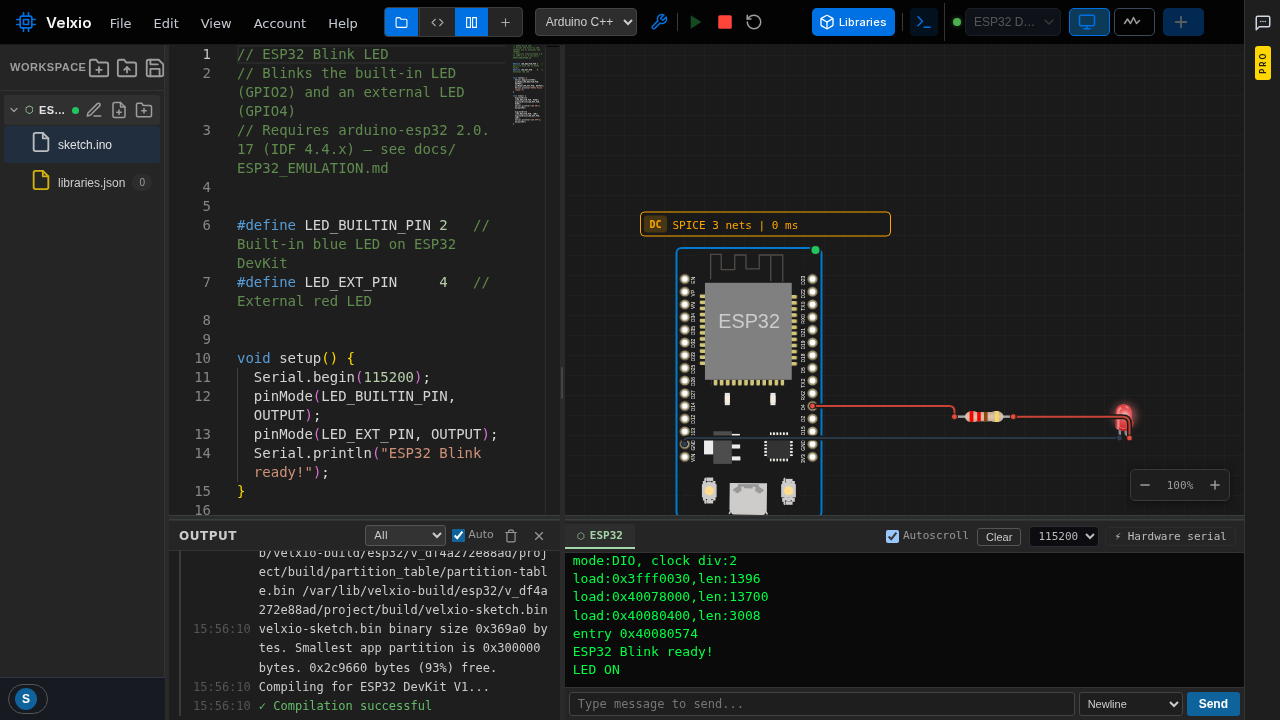
The editor: Monaco on the left, the circuit canvas on the right, compiler output and Serial Monitor at the bottom. Here an ESP32 DevKit blinks an external LED and prints over UART.
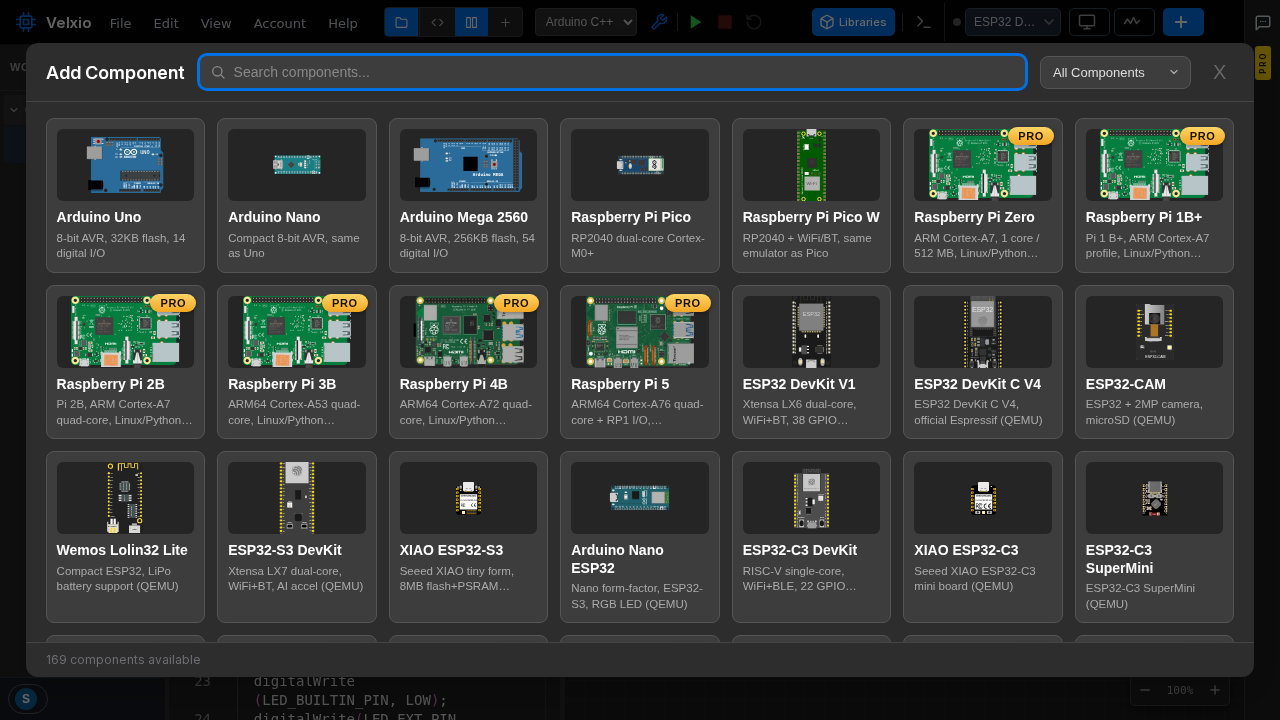
Component picker — every board and module with a live preview, search and category filters. The catalog is over 150 parts: displays, sensors, motors, logic ICs, analog parts, breadboards and branded modules.
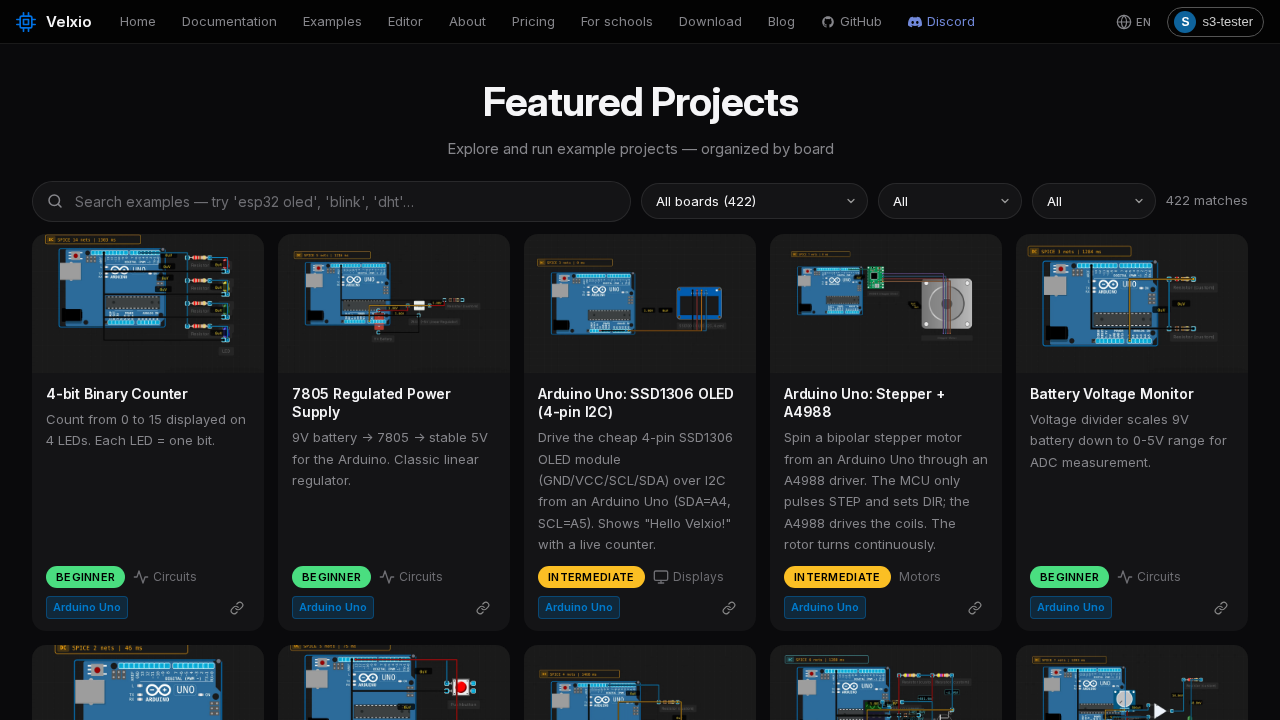
Examples gallery — more than 400 ready-to-run projects filtered by board, difficulty and topic, including the 100 Days 100 IoT Projects collection.
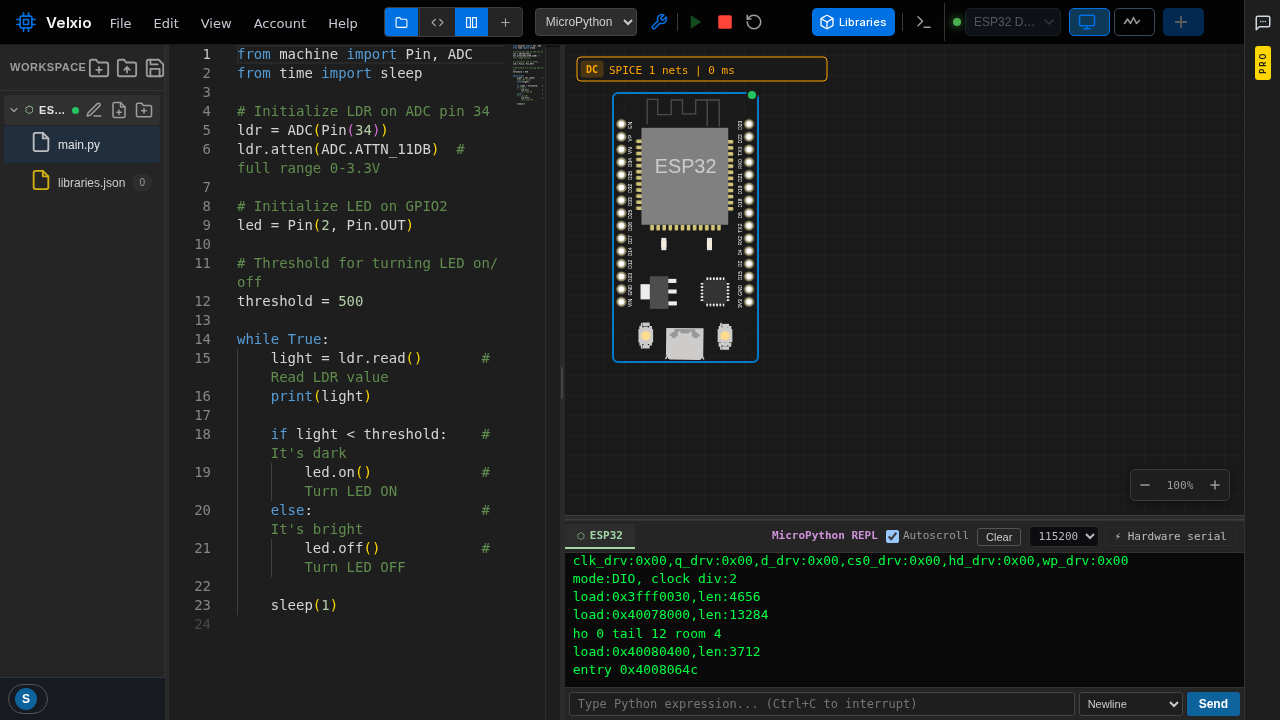
MicroPython — the same ESP32, now running main.py, with the REPL in the terminal panel. ESP32 boards also accept pure ESP-IDF projects.
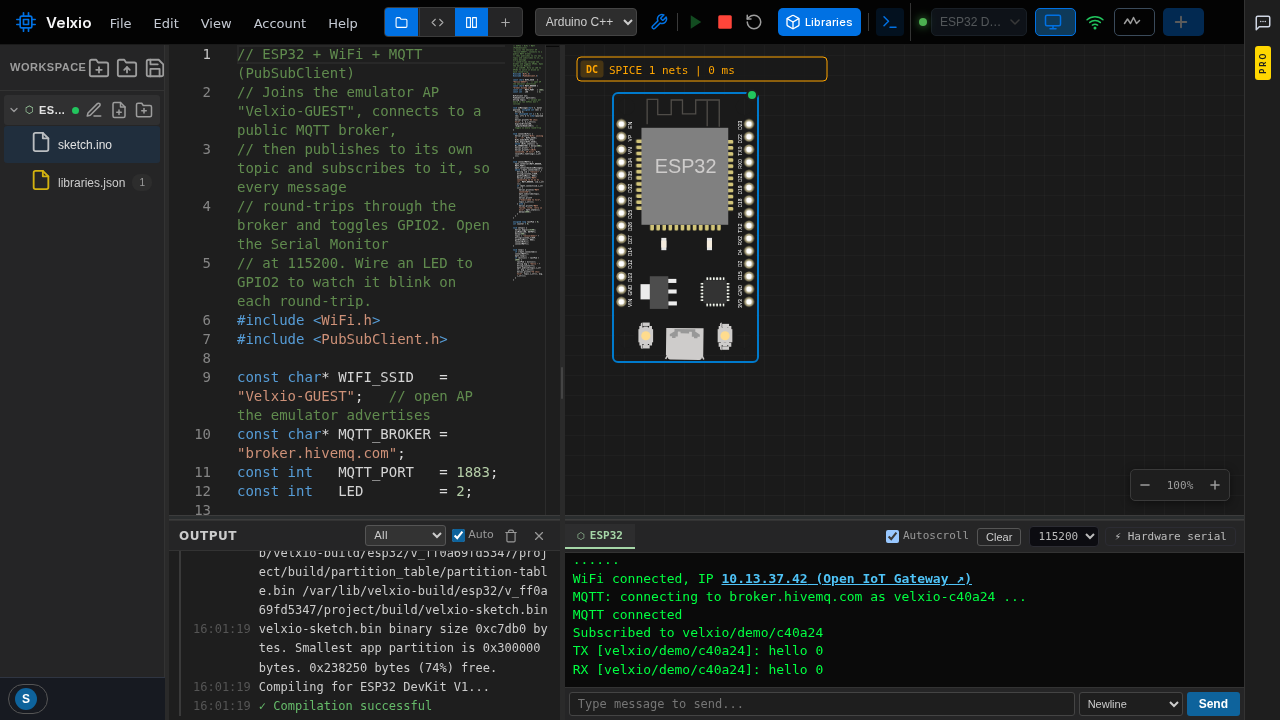
Emulated WiFi — the ESP32 joins the virtual access point, gets an IP and round-trips messages through a public MQTT broker.
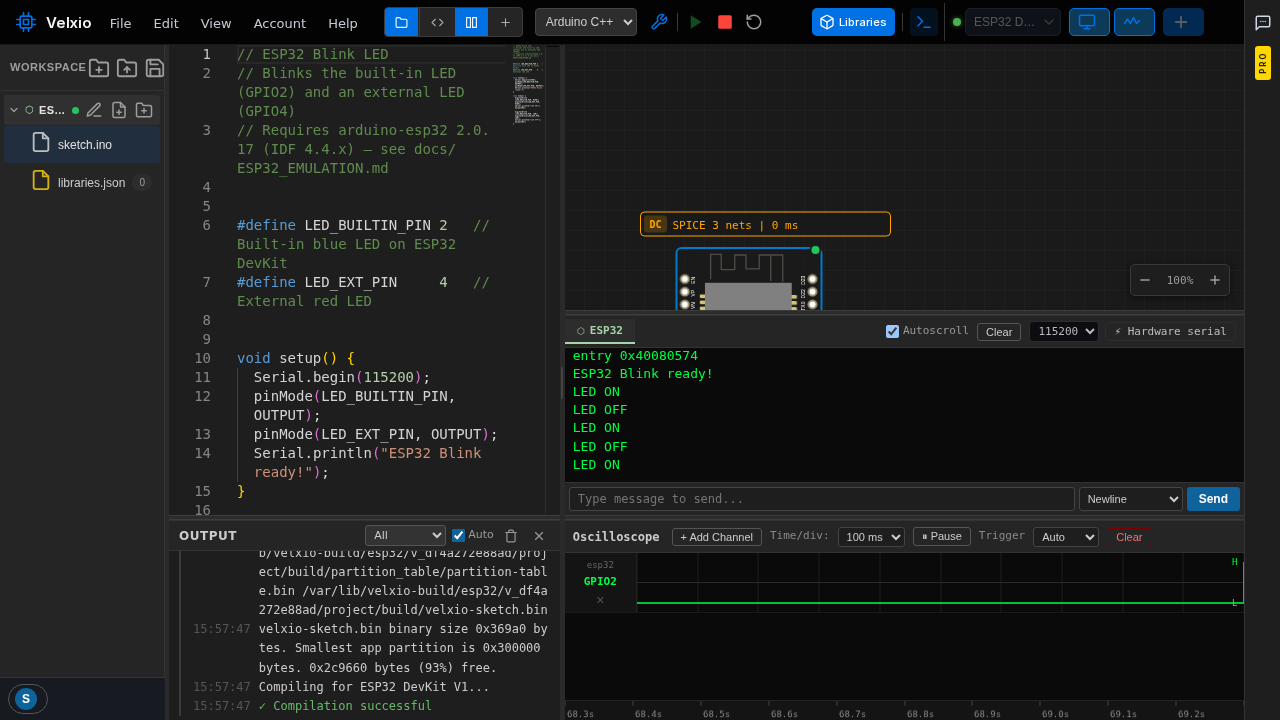
Instruments — oscilloscope channels on any pin, plus a SPICE-based electrical layer that shows currents, voltages and shorts on the wires you draw.
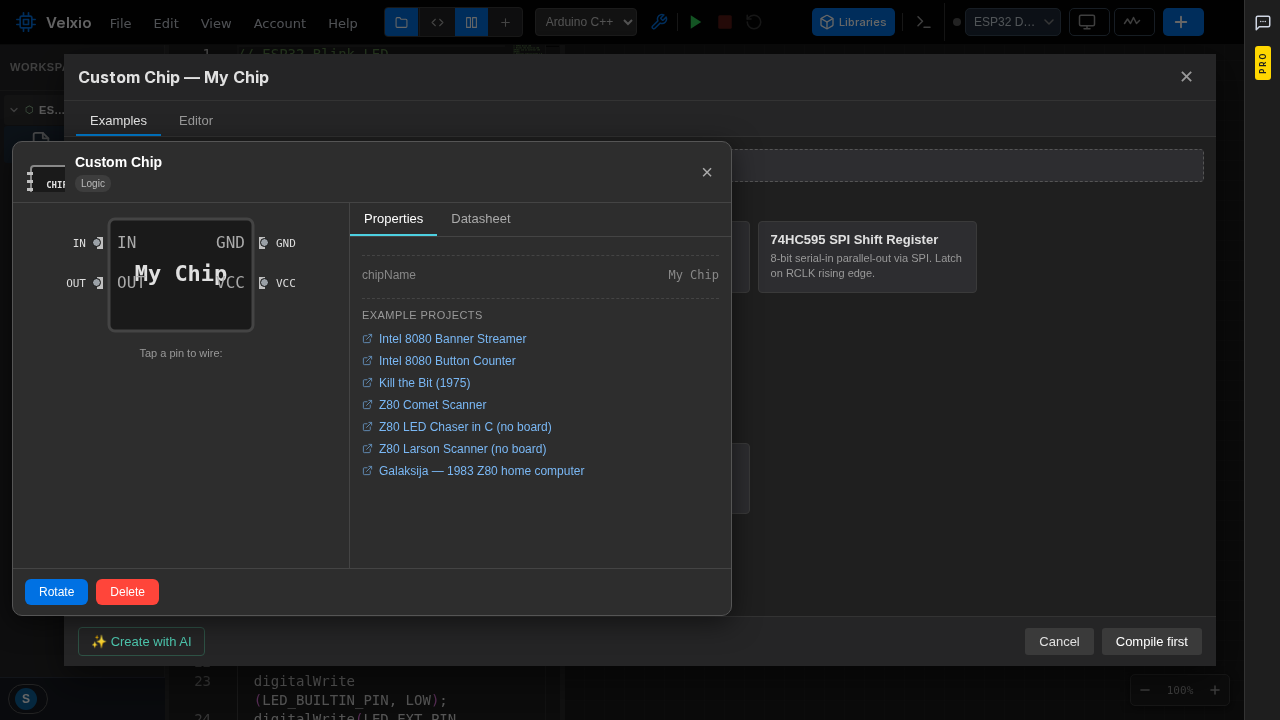
Custom chips — write your own IC in C, compile it to WebAssembly and drop it on the canvas next to the boards.
---
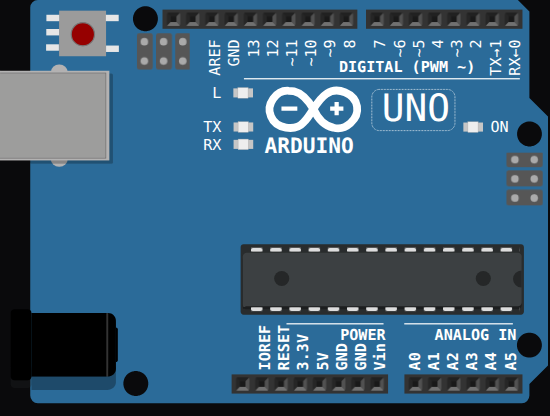 Arduino Uno |
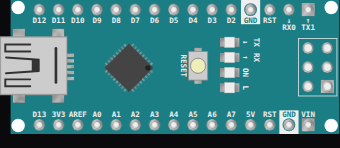 Arduino Nano |
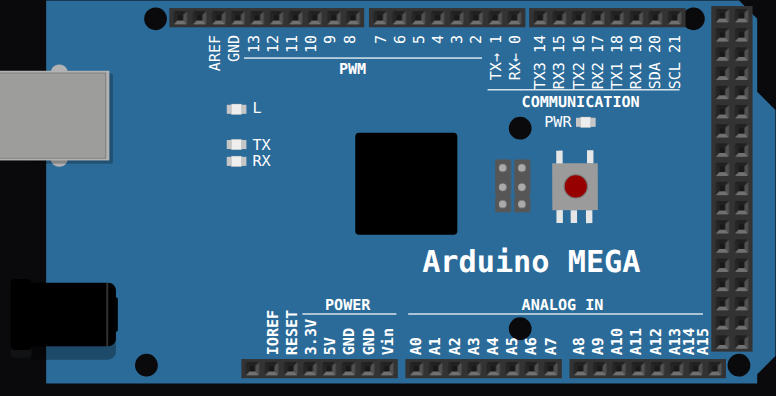 Arduino Mega 2560 |
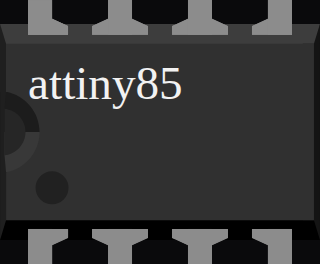 ATtiny85 |
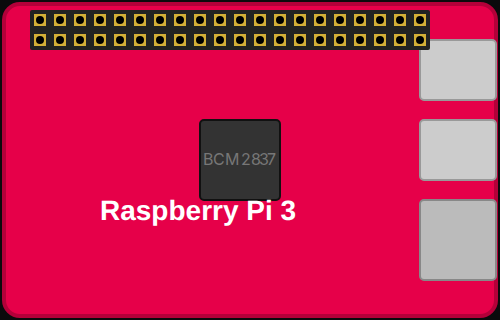 Raspberry Pi 3 |
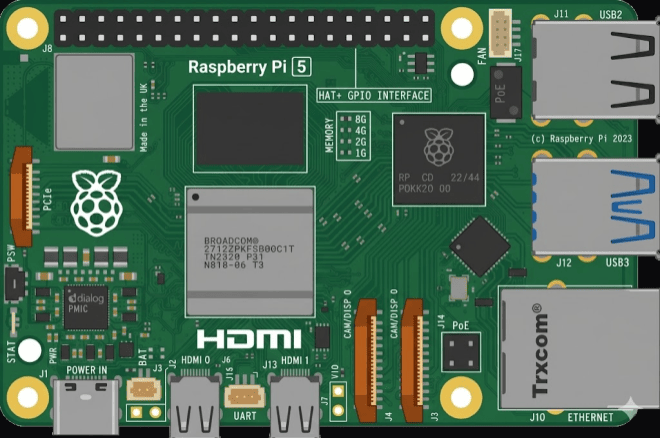 Raspberry Pi 5 |
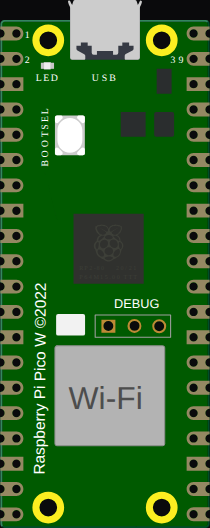 Raspberry Pi Pico |
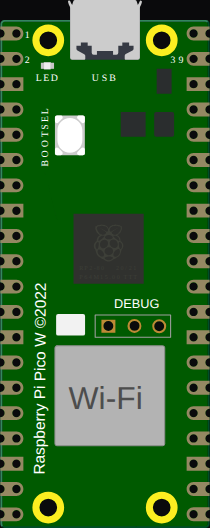 Raspberry Pi Pico W |
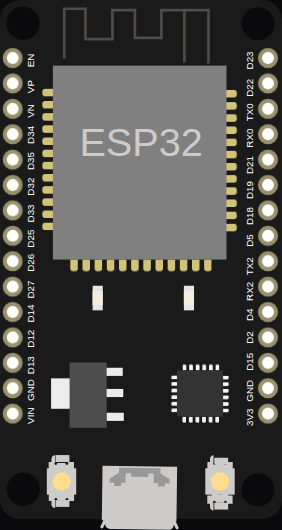 ESP32 DevKit V1 |
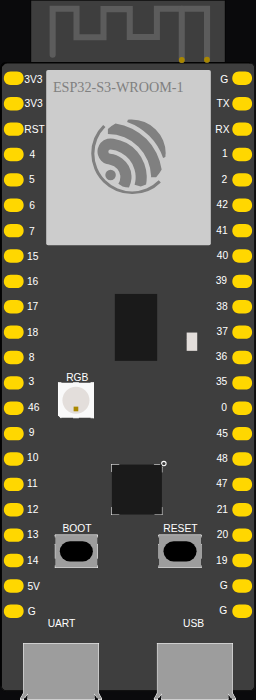 ESP32-S3 |
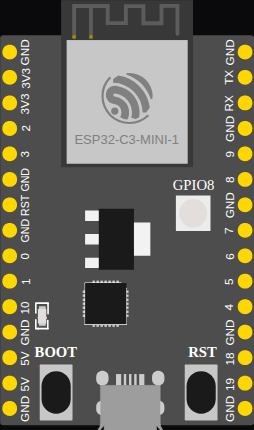 ESP32-C3 |
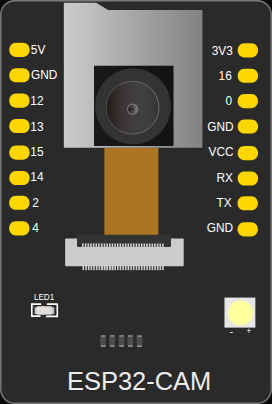 ESP32-CAM |
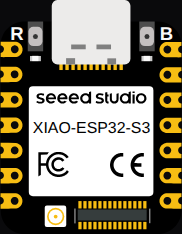 XIAO ESP32-S3 |
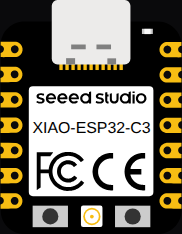 XIAO ESP32-C3 |
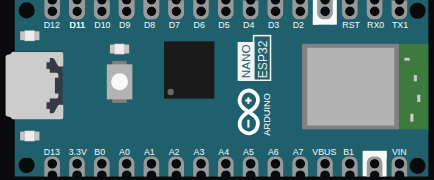 Arduino Nano ESP32 |
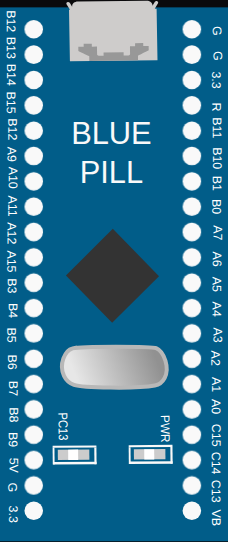 STM32 Blue Pill |
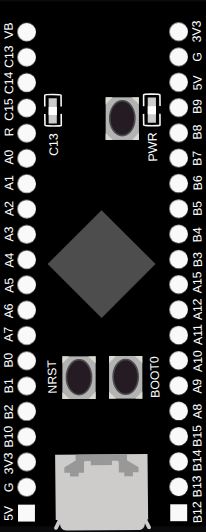 STM32 Black Pill |
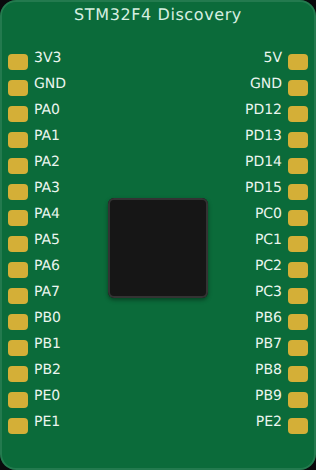 STM32F4 Discovery |
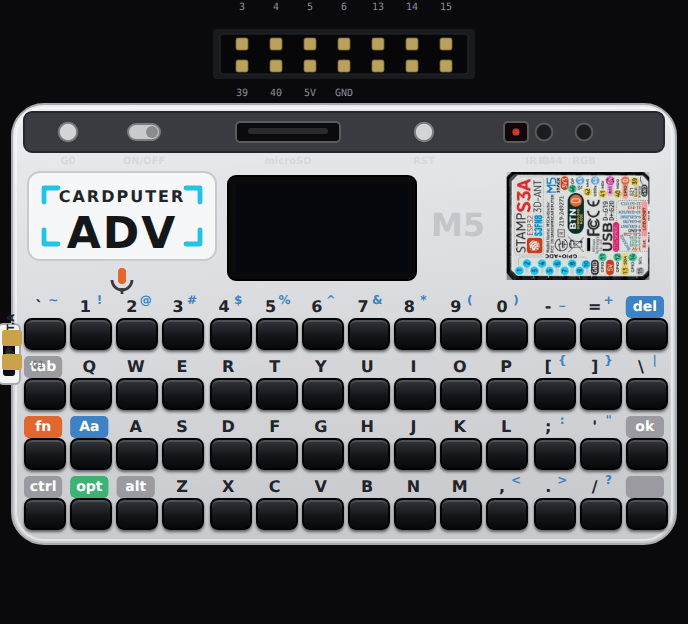 M5 Cardputer ADV |
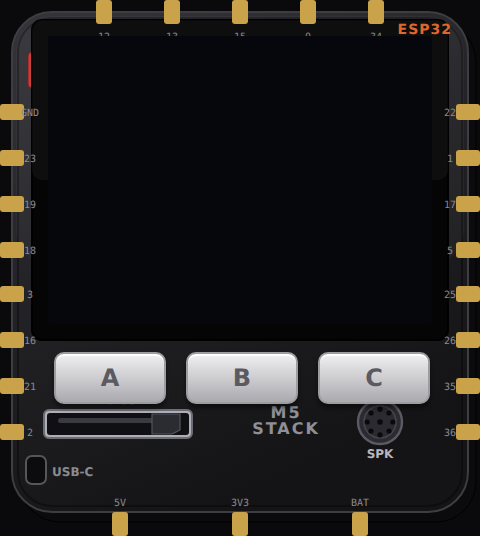 M5Stack Core |
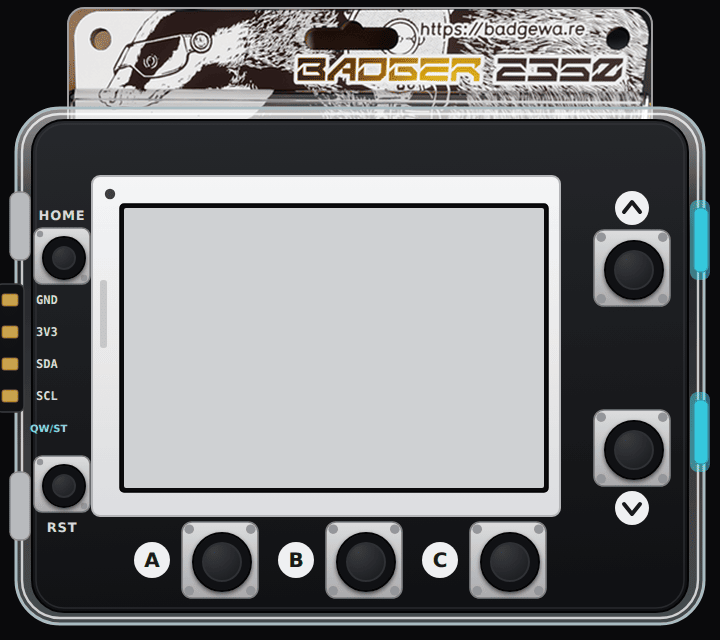 Pimoroni Badger 2350 |
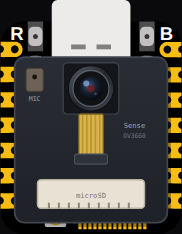 XIAO ESP32S3 Sense |
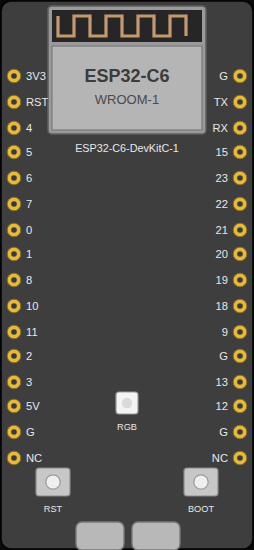 ESP32-C6 DevKit |
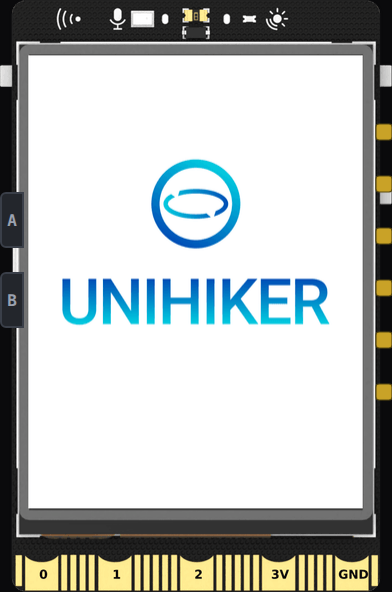 DFRobot UNIHIKER M10 |
Boards run in one of two places. Browser boards (AVR, RP2040) are emulated entirely in the page with avr8js and rp2040js — nothing leaves your machine. Server boards (ESP32 family, STM32, Raspberry Pi Linux) boot a real QEMU machine on the backend and stream GPIO and serial to the canvas. Both feel the same: press Play.
| Family | Boards | Languages | Where it runs | | --- | --- | --- | --- | | Arduino / AVR | Uno, Nano, Mega 2560, ATtiny85 | Arduino C++ | Browser — self-hosted and velxio.dev | | Raspberry Pi Pico | Pico, Pico W | Arduino C++, MicroPython | Browser — self-hosted and velxio.dev | | ESP32 | ESP32 DevKit V1, DevKit-C V4, ESP32-CAM, Wemos Lolin32 Lite | Arduino C++, MicroPython, ESP-IDF | Self-hosted (QEMU) and velxio.dev | | ESP32-S3 | ESP32-S3 DevKit, XIAO ESP32-S3, Arduino Nano ESP32 | Arduino C++, MicroPython, ESP-IDF | Self-hosted (QEMU) and velxio.dev | | ESP32-C3 | ESP32-C3 DevKit, XIAO ESP32-C3, ESP32-C3 SuperMini | Arduino C++, MicroPython, ESP-IDF | Self-hosted (QEMU) and velxio.dev | | STM32 | Blue Pill (F103C8 / F103CB), Black Pill (F411CE / F401CE), STM32F4 Discovery, Olimex STM32-H405, Netduino 2 / Plus 2 | Arduino C++ | Online only: velxio.dev (paid plan) or Velxio Desktop, not in the self-hosted image | | Raspberry Pi (Linux) | Zero, 1B+, 2B, 3B, 4B, 5 — boot a real Linux and run Python in a full terminal | Python | Online only: velxio.dev (paid plan) or Velxio Desktop, not in the self-hosted image | | Branded boards | M5Stack Cardputer ADV and Core, Pimoroni Badger 2350, Galactic Unicorn and Pico Plus 2 W, Seeed XIAO ESP32S3 Sense, XIAO ESP32C6 and XIAO RP2040, Espressif ESP32-C6 DevKit, DFRobot UNIHIKER M10 | Arduino C++, MicroPython, ESP-IDF | Online only: velxio.dev (free plan; UNIHIKER needs a paid plan), not in the self-hosted image |
The self-hosted image runs the first five families out of the box. Everything else is only available online at velxio.dev: STM32 and Raspberry Pi Linux need licensed emulator binaries and multi-GB boot images (they also run in Velxio Desktop with a paid plan), and the branded boards boot their factory firmware (the M5 launcher, BadgeOS) from the hosted catalog. The OSS picker shows these boards as links to the online editor. The full list with pinouts, languages and quirks is in the boards reference.
---
.ino / .h / .cpp / .py filesarduino-cli backend — compile sketches to .hex / .bin filesmillis(), delay(), PWM via analogWrite()analogRead(), voltage injection from potentiometers on canvasAttinyCorerequestAnimationFramedelay() skips ahead in simulation time instead of busy-waitingThe ESP32 family (Xtensa and RISC-V), the STM32 family and the Raspberry Pi Linux boards run on QEMU-based backends with the same canvas, Serial Monitor and instruments as the browser boards. Their setup, peripherals and quirks are covered board by board in the documentation; the technical notes for the QEMU bridges live in docs/ESP32_EMULATION.md, docs/RISCV_EMULATION.md and docs/RASPBERRYPI3_EMULATION.md.
Pick the install path that matches your appetite for setup. All three
work out-of-the-box without an .env file — defaults are picked
automatically.
| Path | Boards available | Build time | Best for | | --- | --- | --- | --- | | A. Docker (prebuilt image) | AVR, RP2040 and the whole ESP32 family (Xtensa + RISC-V) | ~30 s download | Just want it running | | B. Docker Compose (build from source) | Same as A | ~10–15 min first build | Want to modify the code | | C. Manual install | Browser-only boards (AVR, RP2040) | ~5 min | Frontend / backend dev |
ESP32 emulation relies on QEMU .so libraries that ship inside the
Docker image. Manual installs get the browser-side boards out of the
box — for ESP32 you'll want Docker (or follow
docs/ESP32_EMULATION.md to wire up the QEMU
binaries by hand). STM32, Raspberry Pi Linux, the ESP32-C6 and the
partner boards are only available online at velxio.dev (STM32 and Pi
also in Velxio Desktop with a paid plan); the self-hosted image does
not ship them.
---
docker run -d \
  --name velxio \
  -p 3080:80 \
  -v velxio-data:/app/data \
  -v velxio-arduino-libs:/root/.arduino15 \
  -v velxio-arduino-user-libs:/root/Arduino \
  -v velxio-ccache:/var/cache/ccache \
  -v velxio-build:/var/lib/velxio-build \
  ghcr.io/davidmonterocrespo24/velxio:master
Open .
The five named volumes persist:
velxio-data → /app/data: SQLite DB, project sketch files, auto-generated SECRET_KEYvelxio-arduino-libs → /root/.arduino15: arduino-cli config + installedvelxio-arduino-user-libs → /root/Arduino: Library Manager-installedvelxio-ccache → /var/cache/ccache: ccache C/C++ object cache forvelxio-build → /var/lib/velxio-build: persistent ESP-IDF build dirIf you skip the volume flags, the Dockerfile declares all five paths as
VOLUME, so docker creates anonymous volumes and the caches still
survive container restarts (just harder to inspect/back up than named
ones). Only docker rm -v or docker volume prune would wipe them.
---
git clone https://github.com/davidmonterocrespo24/velxio.git
cd velxio
docker compose up -d --build
First build takes ~10–15 minutes (downloads ESP-IDF, builds the frontend). Subsequent builds are cached and take ~1 min.
Then open . The container generates a random
SECRET_KEY on first boot and persists it in ./data/, so no .env is
required to get going.
The OSS image has almost no configuration — there's no database, no auth,
no third-party integrations. Create backend/.env only if you want to
change the CORS origin used during local development.
| Variable | Default | Description |
| --- | --- | --- |
| FRONTEND_URL | http://localhost:5173 | Origin allowed by CORS for local Vite dev |
| VELXIO_NEWS | on | Product news: the backend fetches release notes and product news from velxio.dev's public feed (cached ~6h, anonymous, no identifiers sent) and the editor shows each item once as a "What's New" modal. Posts may embed remote media (screenshots, GIFs, YouTube previews) which the viewer's browser loads directly from the hosting site; video players only load after an explicit click. Set to off to disable entirely; an offline host degrades to no news automatically. |
Deploying behind a reverse proxy? The container listens on plain HTTP
on port 80 and accepts anyHostheader — noserver_namewhitelist.
Running velxio.dev itself? Production-only configuration (host nginx
+ HTTPS, backups, pinned upstream commit) lives in its own repo:
github.com/velxio/velxio-prod.
---
Prerequisites: Node.js 18+, Python 3.12+, arduino-cli
git clone https://github.com/davidmonterocrespo24/velxio.git
cd velxio
No--recurse-submodulesneeded.@wokwi/elements,avr8jsand
rp2040js come from the npm registry. Board SVGs live infrontend/public/boards/. The folders underthird-party/are
reference-only — you only need to clone wokwi-elements if you're adding
a new component to the catalog (the metadata generator scans its src/).
# Terminal 1 — backend
cd backend
python -m venv venv
source venv/bin/activate          # Windows: venv\Scripts\activate
pip install -r requirements.txt
uvicorn app.main:app --reload --port 8001
# Terminal 2 — frontend
cd frontend
npm install
npm run dev
Open .
arduino-cli setup (first time):
arduino-cli core update-index
arduino-cli core install arduino:avr
For Raspberry Pi Pico / Pico W:
arduino-cli config add board_manager.additional_urls \
  https://github.com/earlephilhower/arduino-pico/releases/download/global/package_rp2040_index.json
arduino-cli core install rp2040:rp2040
For ATtiny85:
arduino-cli config add board_manager.additional_urls \
  http://drazzy.com/package_drazzy.com_index.json
arduino-cli core install ATTinyCore:avr
ESP32 (Xtensa / RISC-V) compilation in a manual install requires ESP-IDF
v5.5.4 plus the arduino-esp32 3.3.10 core installed locally, the same pair
velxio.dev builds with. The Docker image bundles both — for manual installs
see docs/ESP32_EMULATION.md. If you only need
AVR / RP2040 boards you can skip ESP-IDF entirely.
---
The user documentation lives at velxio.dev/docs — getting started, every board and part, the circuit editor, programming in Arduino / MicroPython / ESP-IDF, WiFi and IoT, instruments, custom chips and the AI assistant, in 9 languages. Its source is the public velxio/velxio_docs repository; corrections and new pages are welcome there.
The docs/ folder of this repository keeps the technical notes for contributors (emulator internals, QEMU bridges, MCP server, roadmap).
---
Join the Discord server to ask questions, share projects, and follow updates:
Suggestions, bug reports, and pull requests are welcome at github.com/davidmonterocrespo24/velxio.
If you'd like to support the project financially, see the Support the Project section above or sponsor directly at github.com/sponsors/davidmonterocrespo24.
Note: All contributors must sign a Contributor License Agreement (CLA) so that the dual-licensing model remains valid. A CLA check runs automatically on pull requests.
Velxio uses a dual-licensing model:
| Use case | License | Cost | | --- | --- | --- | | Personal, educational, open-source (AGPLv3 compliant) | AGPLv3 | Free | | Proprietary / closed-source product or SaaS | Commercial License | Paid |
The AGPLv3 is a certified Open Source license. It is free for all uses — including commercial — as long as any modifications or network-accessible deployments make their source code available under the same license. Companies that cannot comply with that requirement can purchase a Commercial License.
For commercial licensing inquiries: [email protected]
See LICENSE and COMMERCIAL_LICENSE.md for full terms.
→ →
→ →
→ →
→ →
→ →
→ →
→ →
→